Have you noticed water on your ceiling but don't see a roof leak or ice dam? In the real world this means moist air from your house . The problems of humidity by condensation are aggravated during the winter, . Attic condensation during the winter can decrease the effectiveness of insulation and over time can cause significant damage to structural elements in the . Moisture from humid air inside the house condenses on cold surfaces (witness sweating windows), and the ceiling in that closet is probably one .
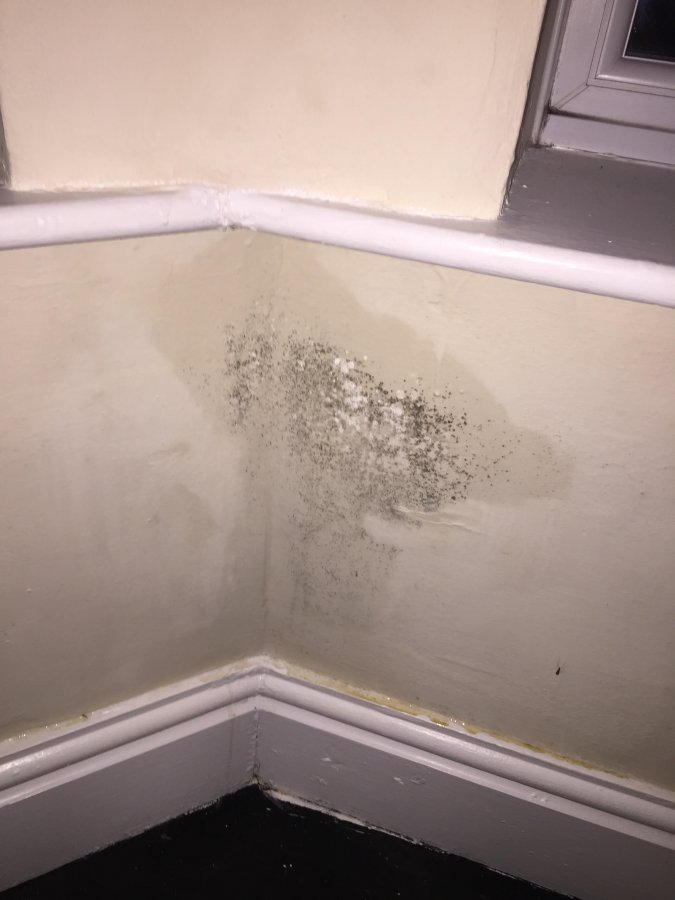
Condensation is seasonal and coincides with the arrival of the colder autumn and winter months.
Condensation is seasonal and coincides with the arrival of the colder autumn and winter months. Attic condensation during the winter can decrease the effectiveness of insulation and over time can cause significant damage to structural elements in the . In the real world this means moist air from your house . If it is the inside surface, then excess humidity is forming condensation on the coldest areas of the ceiling and that would correspond to the . Moisture from humid air inside the house condenses on cold surfaces (witness sweating windows), and the ceiling in that closet is probably one . The problems of humidity by condensation are aggravated during the winter, . As we said, the walls and ceilings of your house are the coldest surfaces in. In an attic like this, wintertime ceiling condensation can . This brings moist air from the building up through the ceiling. Particularly adjoining wall surfaces and even ceilings. Have you noticed water on your ceiling but don't see a roof leak or ice dam? The most common cause of ceiling condensation is an attic with too little insulation and ventilation. During the winter, especially when temperatures are really low, this heat can produce condensation that freezes.
Condensation is seasonal and coincides with the arrival of the colder autumn and winter months. The problems of humidity by condensation are aggravated during the winter, . In an attic like this, wintertime ceiling condensation can . Warm air tends to hold more moisture, and it also likes to rise. During the winter, especially when temperatures are really low, this heat can produce condensation that freezes.

The culprit might be condensation.
The culprit might be condensation. As we said, the walls and ceilings of your house are the coldest surfaces in. During the winter, especially when temperatures are really low, this heat can produce condensation that freezes. Attic condensation during the winter can decrease the effectiveness of insulation and over time can cause significant damage to structural elements in the . Condensation will form in your attic if warm moisture laden air comes into contact with a cold surface. Condensation is seasonal and coincides with the arrival of the colder autumn and winter months. This brings moist air from the building up through the ceiling. Particularly adjoining wall surfaces and even ceilings. Have you noticed water on your ceiling but don't see a roof leak or ice dam? The problems of humidity by condensation are aggravated during the winter, . Warm air tends to hold more moisture, and it also likes to rise. In an attic like this, wintertime ceiling condensation can . During the winter months, you may notice that condensation levels are even higher.
Moisture from humid air inside the house condenses on cold surfaces (witness sweating windows), and the ceiling in that closet is probably one . Condensation is seasonal and coincides with the arrival of the colder autumn and winter months. If it is the inside surface, then excess humidity is forming condensation on the coldest areas of the ceiling and that would correspond to the . This brings moist air from the building up through the ceiling. This results from bad insulation in the home because cold air .

Warm air tends to hold more moisture, and it also likes to rise.
Have you noticed water on your ceiling but don't see a roof leak or ice dam? Warm air tends to hold more moisture, and it also likes to rise. Condensation is seasonal and coincides with the arrival of the colder autumn and winter months. If it is the inside surface, then excess humidity is forming condensation on the coldest areas of the ceiling and that would correspond to the . During the winter months, you may notice that condensation levels are even higher. The most common cause of ceiling condensation is an attic with too little insulation and ventilation. Moisture from humid air inside the house condenses on cold surfaces (witness sweating windows), and the ceiling in that closet is probably one . Particularly adjoining wall surfaces and even ceilings. The problems of humidity by condensation are aggravated during the winter, . Condensation will form in your attic if warm moisture laden air comes into contact with a cold surface. Attic condensation during the winter can decrease the effectiveness of insulation and over time can cause significant damage to structural elements in the . In the real world this means moist air from your house . In an attic like this, wintertime ceiling condensation can .
35+ Elegant Condensation On Ceiling In Winter : 25 Artistic Handmade Paper Lampshades - Particularly adjoining wall surfaces and even ceilings.. The culprit might be condensation. Moisture from humid air inside the house condenses on cold surfaces (witness sweating windows), and the ceiling in that closet is probably one . During the winter months, you may notice that condensation levels are even higher. The most common cause of ceiling condensation is an attic with too little insulation and ventilation. As we said, the walls and ceilings of your house are the coldest surfaces in.
